Opzioni di placcatura e rivestimento con magnete al neodimio
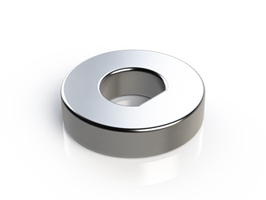
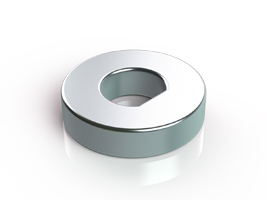
Di seguito è riportato un elenco e una descrizione delle opzioni di rivestimento disponibili per i magneti personalizzati. Nota: I magneti possono essere galvanizzati solo prima della magnetizzazione. se la placcatura viene compromessa dopo la magnetizzazione tramite abrasione o lavorazione intenzionale, non possono essere nuovamente placcati. Alcuni rivestimenti come la plastica possono essere eseguiti dopo la magnetizzazione, Se il processo non supera la temperatura operativa massima dei magneti.| Perché i magneti devono essere placcati?Ossidazione (ruggine)I magneti NdFeB si ossideranno(ruggine) se lasciato esposto. Quando una placcatura si consuma o si crepa, l'area esposta si ossiderà. Un'area ossidata non comporterà il completo degrado del magnete, solo la zona ossidata perderà la sua forza. However the magnet will lose some structural integrity and become more susceptible to breakage.DurabilityDepending on shape, permanent magnet substrate is brittle. A multilayered metal plating like nickel or zinc improves the magnets resistance to chipping and wear, particularly around corners.Harsh Environments. Platings vary in their tolerance of different harsh chemicals and abrasion. Salt and humidity in regions near the ocean are commonly overlooked when selecting a plating. Be sure to consider the magnets environment when selecting a plating.The most common type of plating for neodymium magnets Nickel (Ni-cu-ni) Intended for indoor use. It has proven to be very resilient when subjected to normal wear and tear. However it will corrode oudoors in prolonged exposure to salt water, salty air, or harsh chemicals. |
| Placcatura \ Rivestimento | Appearance | Indoor
Use | Abrasion
(Wear) | Humidity | Water | Salty Air (Near Ocean) | Salt Water | Spessore | Prezzo | | Nichel (Ni-cu-ni)A very durable multilayer combination of nickel, rame, nichel. The most common plating. |  | Excellent | Bene | Bene | Bad | Bad | Bad | 10-20 Microns | Low | | Zinc Plating (Zn)2nd most common plating, Zinc is a standalone plating with only one layer. It is a self- sacrificing coating, meaning when the material corrodes the outside turns white creating a durable layer of protection. |  | Excellent | Excellent | Excellent | Bene | Bene | Bad | 8-10 Microns | Low | | Epossidico (Ni-Cu-Be)Epoxy plating is multilayered in Nickel, Copper, Epossidico. Great for outdoor applications. However it is not very abrasion resistant and prone to scratching. | | Superior | Bad | Superior | Superior | Excellent | Excellent | 15-25 Microns | Medium | | Oro (Ni-Cu-Au)Well known for its corrosion resistance. Layered in Nickel, Copper & Gold on top. Works very well in water applications.
The gold layer is very thin and adds only a few cents per magnet. | | Superior | Bene | Superior | Superior | Superior | Superior | 10-20 Microns | High | | PlasticPlastic is the most corrosion resistant. However its is thicker than other platings. A mold is required to create the plastic shell. | | Superior | Superior | Superior | Superior | Superior | Superior | 250-500 Microns | Medium | | PhosphatePhosphate is a temporary coating that will last only a few months. It is normally used when the magnet is going to be over-molded or encased in a plastic part that will act as the final protective layer. | | Bene
(Temp) | Bad | Bad | Bad | Bad | Bad | 1-2
Microns | Low |
|